House Stark
House Stark is the ancient ruling family of the North, tracing its descent from Brandon the Builder and the Kings of Winter who ruled from Winterfell for thousands of years before Torrhen Stark, the King Who Knelt, swore fealty to Aegon the Conqueror. Their sigil is a grey direwolf racing across an ice-white field, and their words are "Winter Is Coming." The Starks of Winterfell are defined by a stern code of honor: the man who passes the sentence should swing the sword, and a ruler must look into the eyes of the condemned and hear his final words. This ethos, rooted in the blood of the First Men, sets them apart from the southern houses and shapes every major decision they make.
Identity and Ancient Legacy
The Starks are among the oldest of the Great Houses, their lineage stretching back to the Dawn Age. The crypts beneath Winterfell hold the stone likenesses of the Kings of Winter, each seated on a throne with an iron longsword across his lap, a tradition meant to keep vengeful spirits confined. The oldest swords have long rusted away, leaving only red stains on the stone. The Stark words, "Winter Is Coming," are not a boast but a warning, a constant reminder of the harsh realities of northern life. Catelyn Stark, a Tully by birth, reflects that these words give her a chill, noting that every noble house has its touchstones of honor and glory, "All but the Starks." The godswood of Winterfell is a dark, primal place of sentinel trees and weirwoods, where the old gods of the forest are worshipped, a practice that predates the Faith of the Seven brought by the Andals.
The Direwolf Bond
The discovery of the direwolf pups in the late summer snows marks a turning point for the Stark children. The dead mother direwolf, killed by a shattered antler, is found with six surviving pups. Jon Snow points out that there are five trueborn Stark children, and the direwolf is the sigil of their House, arguing that the pups were meant for them. Lord Eddard Stark agrees, and each child receives a wolf: Robb's Grey Wind, Sansa's Lady, Arya's Nymeria, Bran's Summer, and Rickon's Shaggydog. Jon himself takes the albino runt, Ghost, whose white fur and red eyes set him apart. The wolves become extensions of their owners' identities, sharing their fates and sensing danger. When Lady is executed unjustly for the actions of Nymeria, the loss is a deep wound to Sansa. The wolves howl in mourning when Lady's bones return to Winterfell, and their presence or absence often signals the well-being of their human counterparts.
The Stark Code of Honor and Justice
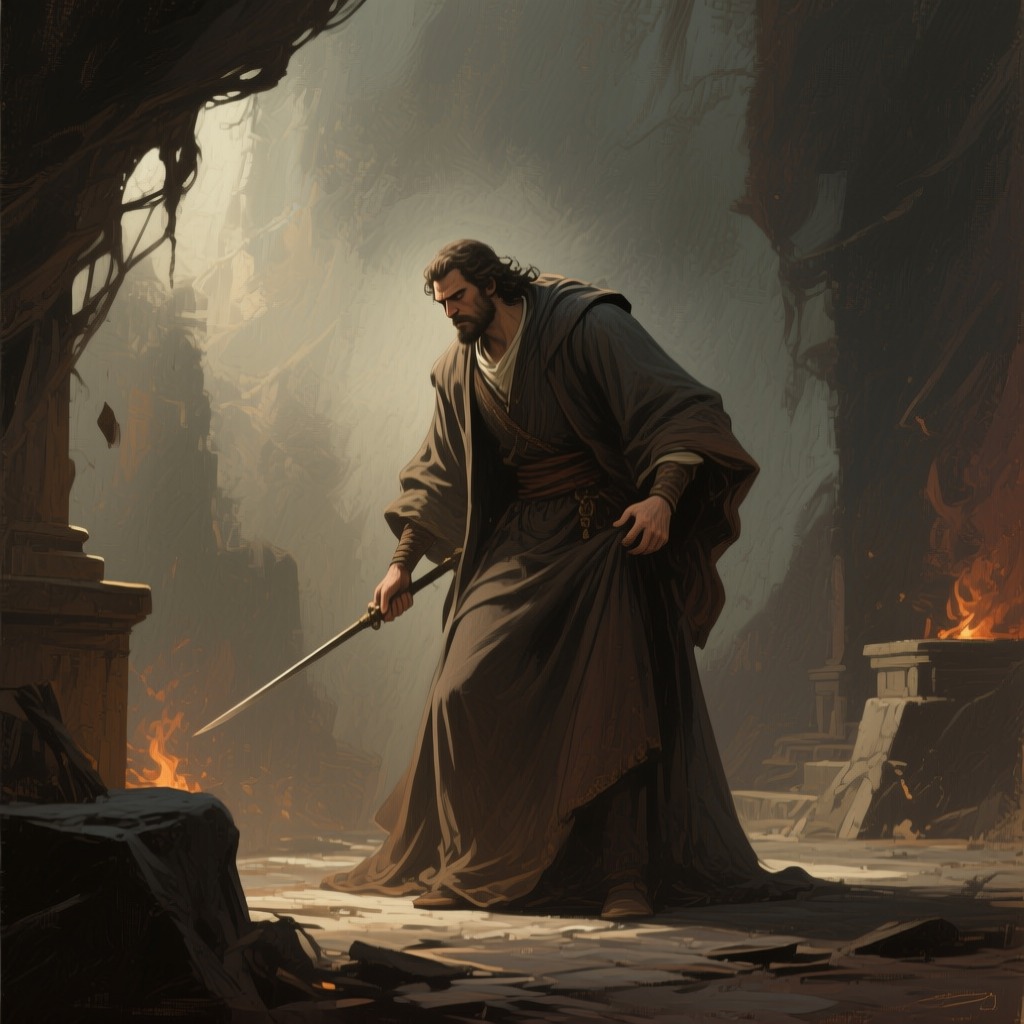
Eddard Stark embodies the Stark tradition of personal justice. He explains to Bran that the blood of the First Men still flows in their veins, and they hold to the belief that the man who passes the sentence should swing the sword. "If you would take a man's life, you owe it to him to look into his eyes and hear his final words," he says. This principle is demonstrated when he personally beheads a deserter from the Night's Watch with Ice, his greatsword of Valyrian steel. The same code compels him to refuse to be a party to the murder of children, even when King Robert orders the death of Daenerys Targaryen. He resigns as Hand of the King rather than condone the act, stating, "I will not be part of murder, Robert." This unwavering honor, while admirable, also makes him vulnerable in the treacherous politics of King's Landing, where Cersei Lannister warns him, "When you play the game of thrones, you win or you die."
The North Remembers: War and the King in the North
When Eddard Stark is imprisoned and later executed by Joffrey Baratheon, the North rises. Robb Stark, his heir, calls the banners and marches south to rescue his father and avenge the insult. The northern lords, hardened by the cold and loyal to the Starks, rally to his cause. After a series of victories, including the capture of Jaime Lannister at the Whispering Wood, the Greatjon Umber declares that the North will not bow to a southern king. He kneels before Robb and proclaims him the King in the North, a title not heard in over three hundred years. Lords Karstark, Mormont, and the river lords follow suit, drawing their swords and shouting the old words. Robb accepts the crown, setting the North on a path of open rebellion against the Iron Throne. The Starks' deep connection to their land and their people, forged through millennia of shared hardship, proves stronger than any oath to a distant, foreign king.
Narrative Role and Thematic Significance
House Stark functions as the moral and emotional heart of the story. Their adherence to honor, their bond with the direwolves, and their connection to the old gods create a stark contrast with the cynical, power-hungry machinations of the Lannisters and the court at King's Landing. The Stark children, scattered across the realm, each carry a piece of their father's legacy: Robb leads an army, Sansa endures captivity, Arya flees into the wilderness, Bran awakens to strange powers, and Jon Snow finds his place on the Wall. Their individual journeys are all shaped by the core Stark identity—a blend of stubborn honor, fierce loyalty, and the grim understanding that winter is always coming. The family's tragedy and resilience underscore the central theme that in a world of political games, the old ways of honor and duty still hold power, even if that power comes at a terrible cost.